
Best Dog Gear for Extreme Conditions in 2026
Table of Contents
- What Counts as Essential Dog Gear for Extreme Conditions?
- Quick Comparison: Top Picks for Extreme Weather
- Insulated Coats and Jackets: Winning the Cold-Weather Battle
- Protective Boots and Paw Protection for Dogs on Rough Terrain
- Canine Hydration Systems: Keeping Working Dogs at Peak Performance
- Field-Ready Dog Hiking Gear: Safety, Visibility, and Containment
- First Aid and Emergency Preparedness for Extreme Environments
- Final Verdict: Building Your Dog's Extreme Conditions Kit
- Frequently Asked Questions
Last Updated: September 4, 2026
The dog winter coat market alone hit $1.8 billion in 2025, with projections reaching $3.2 billion by 2034, according to Dataintelo market analysis. That figure only covers jackets, not the boots, hydration systems, and safety gear your dog needs when temperatures drop and terrain turns hostile. When we talk about the best dog gear for extreme conditions 2026, we're not discussing a single puffer coat. We're assembling a complete survival system for your canine partner, whether you're chasing birds through a frozen marsh or running a sled team across open country.
At dogsRtreed, we've spent over 50 years handling working hounds and sporting dogs in brutal environments. Below, we break down the essential categories, name the top performers, and tell you where most owners waste money.
What Counts as Essential Dog Gear for Extreme Conditions?
Extreme conditions dog gear falls into five functional categories: thermal protection, paw and skin defense, hydration and nutrition, containment and safety, and emergency medical response. Skipping one creates a weak link that can end an outing in disaster.
Thermal regulation starts with insulation but doesn't end there. A dog losing body heat through wet fur or unprotected paws will succumb to hypothermia even wearing a quality jacket. The Frontiers in Veterinary Science review of dog-worn equipment emphasizes that gear must fit properly and allow natural movement, or it creates more problems than it solves.
Hydration systems keep working dogs performing in cold, dry air that dehydrates faster than summer heat. Containment systems like gang lines and tie-outs keep multiple dogs secure at camp. And when things go wrong, a proper medical kit means the difference between a minor cut and a life-threatening infection.
Quick Comparison: Top Picks for Extreme Weather
This table summarizes the core gear categories and what to look for in each:
| Gear Category | Primary Function | Key Feature to Prioritize | Price Range |
|---|---|---|---|
| Insulated Coats | Core heat retention | Weight-to-warmth ratio | $60-$150 |
| Paw Protection | Pad defense and healing | All-natural, non-toxic formula | $15-$30 |
| Hydration Systems | Pre-hydration and recovery | Electrolyte and carbohydrate content | $20-$25 |
| Tie-Outs and Stakes | Camp containment | Break strength and corrosion resistance | $45-$135 |
| Medical Kits | Emergency wound care | Sterile tools and blood control | $15-$110 |
The testing landscape for 2026 includes 39 winter-tested picks across coats, base layers, shells, and snow boots, evaluated for cold-weather performance by Dog Gear Review field testing. What separates top performers from the rest comes down to measurable thermal retention and durability under repeated use, not marketing claims.
Insulated Coats and Jackets: Winning the Cold-Weather Battle
The Hurtta Extreme Warmer III currently leads the pack in thermal performance, losing only 1.6 degrees of heat during independent testing, according to Treeline Review winter gear testing. That number matters because every degree of heat lost forces your dog's body to work harder maintaining core temperature, draining energy needed for the hunt or run ahead.
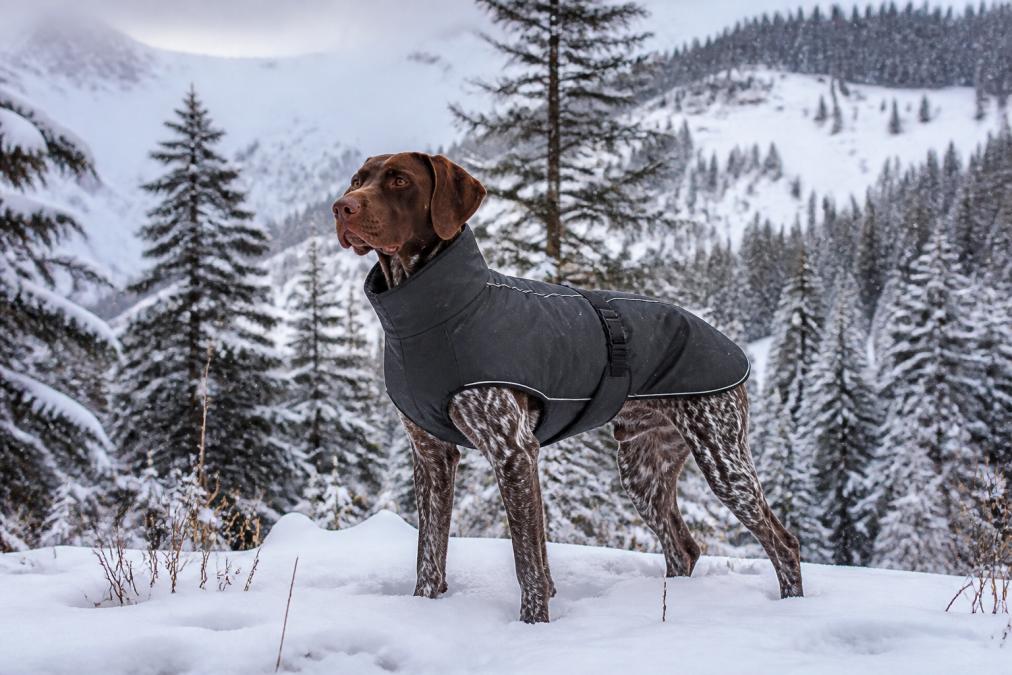
A quality insulated jacket combines a wind-resistant outer shell, breathable mid-layer, and fleece-lined interior. Look for articulated fit that allows full range of motion in the shoulders and hips, plus adjustable straps that keep the coat in place during active movement.
Sizing and Fitment: The Difference Between Warmth and Failure
A coat that is too loose allows cold air to circulate against the skin, defeating the insulation. A coat that is too tight restricts blood flow and compresses the insulation layer. You should be able to slide two fingers flat between the coat and your dog's back at the shoulder blades, and the coat should sit snugly at the chest without pulling at the armpits when the dog trots.
Measure your dog standing at three points: the base of the neck, the widest part of the chest behind the front legs, and the length from the base of the neck to the base of the tail. Compare against the manufacturer's size chart, not weight-based estimates, which fail for breeds with deep chests like Greyhounds or thick necks like Bulldogs.
Breed-Specific Considerations for Coat Selection
Single-coated breeds, including Boxers, Dobermans, and Whippets, lack the undercoat that traps warm air and require heavier insulation with a windproof outer shell even in moderate cold. Double-coated breeds like Huskies and Malamutes have natural insulation rated well below zero; adding a coat can cause overheating and paradoxical chilling. For these breeds, a lightweight uninsulated shell that blocks wind and wet snow is often the better choice.
Short-legged breeds like Corgis and Basset Hounds lose heat rapidly through their bellies; look for coats with extended belly coverage reaching at least halfway down the chest. Breeds with thick neck fur like Newfoundlands may find high-neck coats restrictive; a standard collar-height coat works better.
Material Layering Explained
The outer shell should be a tightly woven nylon or polyester with a durable water repellent (DWR) finish to block wind and shed precipitation. The mid-layer holds insulation, either synthetic fill like PrimaLoft or Thinsulate, which retain warmth when wet, or down, which offers superior warmth-to-weight but collapses when soaked. The interior layer should be a soft fleece or brushed tricot that wicks moisture away from the skin.
For extreme cold below 20°F, look for coats with a fill weight of at least 100 grams per square meter. Below 0°F, 200-gram fill or higher is appropriate. The 2026 market has also embraced smart thermal technology, with cooling and heating vests gaining traction for dogs in extreme climates or with specific health needs, as reported by Happy Dogs Togs 2026 trend analysis. These electronic options work well for short-duration exposure but add weight and battery management complexity that field hunters may find unnecessary.
Field Testing: What the Numbers Actually Mean
Independent testing from Dog Gear Review field testing evaluates coats by measuring thermal retention on a temperature-controlled mannequin designed to simulate canine body heat. The 1.6-degree loss figure for the Hurtta Extreme Warmer III comes from a 30-minute exposure test at 10°F in a wind tunnel. Real-world conditions vary, but the relative ranking between coats remains consistent. When comparing products, look for test methodology that includes wind exposure, not just static cold, because wind chill is the primary driver of heat loss in open terrain.
Coats with excellent static insulation often fail under wind because the outer shell lacks windproofing. A coat rated for -20°F in calm conditions may only protect to 10°F in a 15 mph wind. Manufacturers rarely publish wind-adjusted ratings, so prioritize coats with a documented windproof membrane or tightly woven shell fabric.
Longevity and Maintenance
A quality winter coat should survive multiple seasons. Check stress points: chest strap attachment, buckle hardware, and zipper or Velcro closure. Metal hardware outperforms plastic in sub-zero temperatures, and a combination of Velcro and snap closures provides redundancy when ice packs into the hooks. After each outing, brush off snow before it melts, hang the coat to dry completely, and use a spray-on water repellent treatment before each season, as machine washing degrades the DWR finish.
Protective Boots and Paw Protection for Dogs on Rough Terrain
Paw protection is the most overlooked element of extreme weather gear, yet cracked pads and ice buildup between toes can sideline a working dog faster than any illness.
The pawsRprotected ALL-IN-ONE ALL NATURAL PAW PROTECTOR BALM pre-conditions, protects, and promotes healing. Applied 2 to 3 times per week, it builds pad resilience before rough terrain. The all-natural formula contains no soy or flax oil and is non-toxic and non-allergenic, making it safe even if your dog licks it off. At $21.99, a single jar lasts most owners through an entire winter season.
Boots: When They Work and When They Fail
Boots provide immediate, physical protection against ice shards, sharp rocks, and road salt, but they fail when they slip off in deep snow or restrict natural gait. The best approach combines daily balm application with boots reserved for the most punishing surfaces.
Field testing from Dog Gear Review field testing shows that boot retention is the single biggest differentiator between products. Boots with a single Velcro strap fail within the first mile on active dogs. Look for boots with a double-strap system or a drawstring closure above the ankle joint. The boot should extend above the dewclaw and sit snugly against the leg without cutting off circulation.
Sizing Boots Correctly
Boot sizing follows paw width, not length. Measure the widest part of the paw with the dog standing and bearing weight, then consult the manufacturer's width-based size chart. A boot that is too narrow causes chafing; one that is too wide allows the paw to slide, creating blisters and causing the boot to twist off. When in doubt, choose the larger size and snug the adjustment straps.
The Ice Ball Problem and Its Solution
Snow accumulates between the toes and compacts into ice balls, causing dogs to lift their feet high and slow down. Trimming the fur between the pads to pad level reduces accumulation significantly. Some mushers apply a thin layer of petroleum jelly or cooking spray to the fur between toes before extreme cold outings, preventing snow from adhering. Boots with a smooth interior lining also reduce ice ball formation.
Field Repair: Extending Boot and Balm Life in Remote Conditions
Gear fails in the field, and knowing how to repair it on the spot separates a minor inconvenience from a trip-ending injury. Carry a small repair kit with heavy-duty zip ties and duct tape. A zip tie threaded through the boot's strap loop and around the dog's leg above the ankle provides a temporary fix when a strap breaks. For torn boot fabric, apply duct tape to the inside and outside of the tear, then wrap the boot to hold it together.
Cold temperatures stiffen paw balm, making it difficult to apply. Keep the jar inside your jacket pocket near body heat for 10 minutes before application. If the balm separates or becomes grainy after freezing, warm the jar in a bowl of warm water and stir to re-emulsify. Never microwave the balm, as this degrades the natural waxes.
Recognizing Paw Injuries Before They Become Emergencies
Cracked pads bleed and become infected quickly in dirty snow. Check your dog's paws after every outing for cracks, foreign objects, and signs of frostbite, pale or bluish pad tissue that feels cold. Frostbitten pads require gradual rewarming with warm water at 100-105°F, never hot water or direct heat. After rewarming, apply a thick layer of paw balm and keep the dog indoors until the tissue returns to normal color. If the pad tissue turns black or sloughs off, seek veterinary care immediately.
A Maintenance Schedule That Works
A practical maintenance schedule includes daily paw checks after outings, balm application 2-3 times per week, boot inspection before each use, and a deep cleaning of boots weekly to remove salt and debris. Boots with cracked soles or frayed straps should be retired, as a boot that fails mid-outing in sub-zero temperatures leaves your dog exposed with no backup. Carry a spare boot for every dog on multi-day trips.
Canine Hydration Systems: Keeping Working Dogs at Peak Performance
Canine hydration systems are critical in extreme cold because winter air holds almost no moisture, causing rapid fluid loss through respiration. A dog that starts a hunt dehydrated is already behind, and you can't catch up once exertion begins.
The dogsRhydrated HYDRATION & ENERGY RECOVERY SYSTEM from dogsRtreed uses a two-step protocol. Step 1 is a pre-hydration solution of 100% pure glycerol mixed into water before activity. Studies on competition sled dogs in Alaska found that a 1% glycerol solution kept body temperature 1 to 2 degrees lower than untreated dogs. Since heat exhaustion starts at 104 degrees and heat stroke at 106 degrees, those 1 to 2 degrees can be the difference between a full day of work and a medical emergency.

Step 2 delivers a maltodextrin-based recovery drink within 30 minutes of exercise, replacing up to 60% of the energy lost during exertion and reducing cramping and soreness. At $22.99, the system yields 50 quarts of pre-hydration mix and 80 quarts of recovery drink.
Field-Ready Dog Hiking Gear: Safety, Visibility, and Containment
Dog hiking gear for extreme conditions extends beyond what your dog wears to how you manage them at camp and on the trail. When temperatures drop and visibility fades, containment and tracking become safety issues, not convenience features.
The DOG SAFETY TRAVEL TIE-OUTS by dogsRtreed solve the problem of managing multiple dogs in remote locations. These modular gang lines come in configurations from 2 to 6 dogs, with main-line cable rated at 4,700 pounds. The DRT Spring Snaps resist freezing in cold weather, and individual leads are positioned on 5-foot centers, preventing tangling. At $66.99 for a 6-dog setup, it beats buying individual stakes and leashes that fail after one season.
For tracking, the dogsRtreed GPS EXTENDED RANGE Antenna delivers enhanced signal reception for existing GPS dog tracking systems. The 3-element design folds down for easy transport and works with any system using an SMA connector. At $289.99, it costs less than a single new tracking collar while extending range for your entire pack.
First Aid and Emergency Preparedness for Extreme Environments
Emergency preparedness is the category most guides ignore, yet it's the one that saves lives. In extreme conditions, a minor cut can become infected within hours, and a deep laceration requires immediate closure to prevent hypothermia and blood loss.
The dogsRtreed FIRST-AID MEDICAL FIELD MOLLE PACK covers both canine and human emergencies. Packed into an 8 x 6 x 5 inch bright orange bag weighing just 1.5 pounds, it includes a sterile medical skin stapler, blood clotting powder, and the pawsRprotected Quick Stick for wound treatment. The MOLLE strapping system attaches to any pack or vest. At $109.99, it's a modest investment compared to an emergency vet visit that starts at several hundred dollars.

Blood clotting powder is a must-have addition to any extreme conditions kit. The plant-based coagulant stops bleeding from moderate to severe wounds quickly and safely, and it works on both animals and humans. A 15-gram package costs $13.00 and fits easily in any pocket or pack.
Final Verdict: Building Your Dog's Extreme Conditions Kit
Building the best dog gear for extreme conditions 2026 setup requires thinking in systems, not individual products. The complete kit includes an insulated jacket with proven thermal retention, paw protection applied consistently through the season, a two-step hydration system, a secure tie-out system for camp management, and a comprehensive medical kit for emergencies.
Start with the highest-impact items first. Paw protection and hydration affect your dog's health on every outing, while jackets matter most in the deepest cold. The dogsRtreed DOG CARE HEAT PRODUCT BUNDLE at $135.00 combines the full hydration system with both the paw balm and animal skin spray, covering two of the five essential categories in one purchase.

What most owners get wrong is buying gear reactively, after a problem appears. Cracked pads, dehydration, and frostbite are all preventable with the right preparation. The 2026 gear market offers better technology and more field-tested options than ever before, but only if you know what to buy and why.
Building a complete extreme conditions kit takes research and investment, but the payoff is a dog that performs at peak level regardless of the weather. At dogsRtreed, we've spent 50 years in the field with working hounds and sporting dogs, and every product we carry reflects that experience. From the dogsRhydrated hydration system to the pawsRprotected balm and the safety travel tie-outs, our gear is built for dogs that work as hard as you do. Get started with dogsRtreed and outfit your partner for the conditions you'll actually face this season.
Frequently Asked Questions
How do I know if my dog needs a winter coat or protective gear?
Consider your dog's breed, coat type, age, and the specific conditions you'll face. Short-haired breeds, senior dogs, and those with health conditions need insulation when temperatures drop below 45°F. If your dog shivers, lifts its paws, or is reluctant to move, it needs protection. For active dogs working in extreme cold, a field-tested insulated jacket provides essential thermal retention without restricting movement.
What should be in a dog's emergency outdoor survival kit?
A comprehensive field medical kit is non-negotiable for extreme conditions. The dogsRtreed FIRST-AID MEDICAL FIELD MOLLE PACK ($109.99) weighs only 1.5 lbs and includes a skin stapler, blood clotting powder, and a pawsRprotected Quick Stick. It attaches to your pack or belt for grab-and-go access. Add a separate source of clean water, a high-calorie snack, and a space blanket. In freezing conditions, hypothermia prevention starts with stopping any bleeding and getting your dog insulated and dry quickly.
Are there specific paw protection requirements for rocky or icy terrain?
Yes. Rocky trails, ice, and road salt can cause cracked pads, cuts, and burns. An all-natural balm like pawsRprotected ($21.99) pre-conditions and protects pads before a hike, and promotes healing for existing damage. For severe terrain, pair it with protective boots. Apply the balm 2-3 times per week to build up calluses, and always check between toes for ice balls or debris after every outing. For working dogs on sharp rocks, the combination of a balm and durable, abrasion-resistant boots offers the best defense.
How does a hydration and nutritional recovery system benefit active dogs in extreme weather?
Extreme conditions, both hot and cold, increase a working dog's fluid and energy needs. A system like dogsRhydrated ($22.99) uses a two-step approach. Step 1, a glycerol solution given before activity, has been shown in sled dog studies to keep body temperature 1-2 degrees cooler. Step 2, a maltodextrin recovery drink given within 30 minutes after exercise, can replace up to 60% of carbohydrate loss, reducing cramping and speeding recovery for the next day's outing.
What is the best dog gear for extreme conditions in 2026?
The best dog gear for extreme conditions in 2026 combines proven insulation, paw protection, hydration, and safety systems. For a complete kit, add a reliable canine hydration system, a paw balm like pawsRprotected, a secure tie-out for camp, and a field medical pack to handle emergencies. Prioritize gear that is field-tested, durable, and fits your dog's specific needs.
This article was written using GrandRanker