
Durable Dog Gear for Camping: 2026 Guide
Table of Contents
- What to Look for in Durable Dog Gear for Camping
- Your Complete Dog Camping Checklist
- Safety and Visibility Gear for Backcountry Trips
- How to Keep a Dog Warm While Camping
- Dog First Aid Kit for Camping and Paw Protection
- Eco-Friendly Gear Choices and Maintenance Tips
- Adventure-Ready Toys and Training for Camping
- Choosing Durable Dog Gear for Camping: Final Thoughts
Last Updated: August 13, 2026
Packing the wrong gear for a backcountry camping trip with your dog is dangerous. At dogsRtreed, we've spent decades in the field with working dogs, and gear failures share a common thread: owners bought general-purpose products not built for their dogs' actual conditions. Durable dog gear for camping is the difference between a dog who finishes a multi-day trip healthy and one who comes home with cracked paws, a twisted leg from a tangled tie-out, or preventable dehydration.
This guide covers every category you need, from sleeping gear to paw protection, with specific guidance on breed requirements, eco-friendly choices, and training your dog before the first trip.
Quick Picks:
- Best for safety: A durable safety travel tie-out system with anti-tangle design
- Best for recovery: A 2-step hydration and nutritional recovery system for multi-day trips
- Best for paw health: All-natural paw protection balm for rough, rocky, or hot terrain
What to Look for in Durable Dog Gear for Camping
Durable dog gear is engineered to withstand repeated exposure to moisture, abrasion, temperature swings, and physical stress. Start with materials: ripstop fabric for sleeping pads and packs, weather-resistant coatings on food storage, and reinforced stitching on harnesses and leashes are non-negotiable for multi-day trips. Thin nylon webbing or plastic buckles will fail on rugged terrain.
Next, consider packability. Trail-tested gear needs to be lightweight enough that it doesn't double your pack weight. Collapsible bowls, packable bedding, and compact first aid kits are standard for a reason. Weight distribution matters for longer hauls, many active dogs can carry their own gear in a well-fitted dog pack if the load is balanced and the harness properly sized.
Breed-Specific Gear Requirements
The biggest mistake in dog camping gear selection is treating all dogs the same. A short-coated pointer working rocky desert terrain has completely different needs from a double-coated malamute in alpine conditions.
Short-coated and lean breeds (pointers, vizslas, greyhounds): These dogs lose body heat fast in cold conditions and have minimal paw pad protection on sharp rock. Prioritize insulated sleeping pads, a fitted dog jacket or sleeping bag for cold nights, and paw protection balm or boots.
Heavy double-coated breeds (huskies, malamutes, Bernese mountain dogs): Thermal insulation is rarely the issue. Overheating is the real risk, especially on warm-weather trips. Focus on hydration gear, collapsible water bowls, and shaded rest spots.
Large working and hunting breeds (labs, GSDs, hounds): These dogs are built for endurance but can develop joint stress on multi-day trips over rugged terrain. Orthopedic or insulated sleeping pads reduce recovery time. A nutritional recovery system post-exertion keeps them performing consistently.
Small breeds: Pack weight is a genuine concern. Keep their carried load under 10-15% of body weight. Prioritize warmth and paw protection.
According to the American Kennel Club's breed health resources, physical demands and environmental tolerances vary significantly across breed groups, which directly affects gear selection for outdoor activities.
Your Complete Dog Camping Checklist
A solid dog camping checklist eliminates the 2 a.m. realization that you forgot the waste bags or left the paw balm in the car.
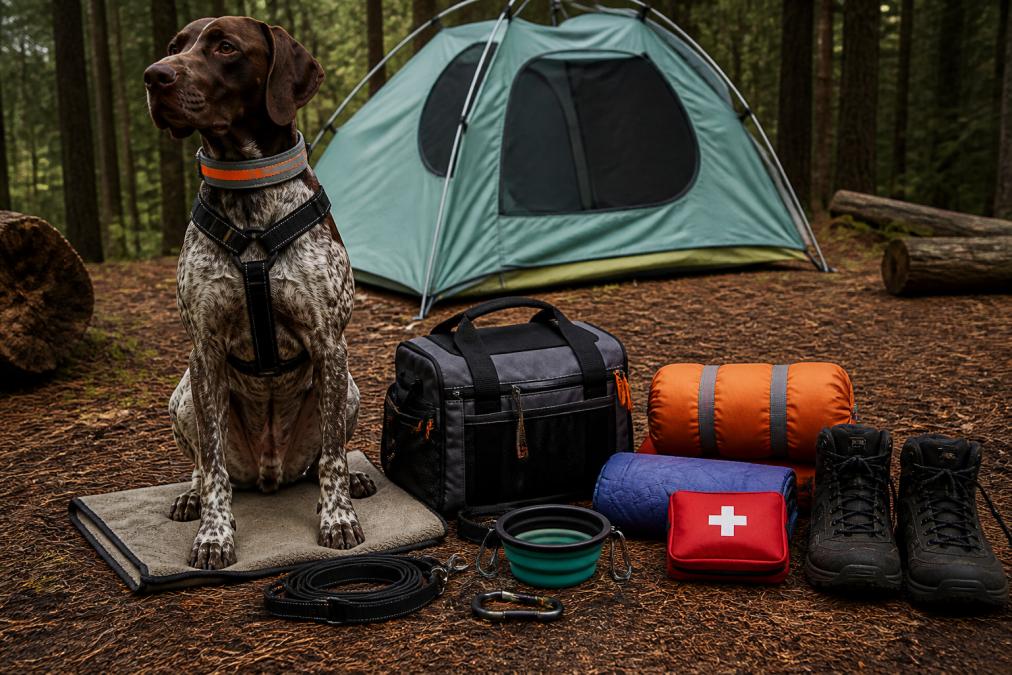
| Category | Essential Items | Notes |
|---|---|---|
| Sleeping | Insulated pad or sleeping bag, blanket | Ripstop fabric preferred |
| Containment | Harness, leash, tie-out system | Anti-tangle design critical |
| Food & Water | Collapsible bowl, food storage, hydration system | Waterproof containers |
| Waste | Waste bag dispenser, biodegradable bags, trowel | Pack out everything |
| Safety | Reflective collar, glow-in-the-dark tag, light | For nighttime visibility |
| First Aid | Medical kit, paw balm, gauze, antiseptic | Both animal and human use |
| Extras | Towel, ID tag, vaccination records | Required at many campgrounds |
Essential Sleeping Gear for Dogs
Portable bedding for dogs needs to handle moisture, dirt, and temperature regulation. A sleeping pad with thermal insulation and a weather-resistant base layer is the minimum for tent camping in variable conditions. For cold-weather camping, a dog sleeping bag rated for temperatures below the expected overnight low is worth the weight. Look for ripstop fabric outer shells that resist punctures from sticks and rocks. Packable designs that compress to the size of a water bottle are ideal for backcountry trips.
Leashes, Harnesses, and Safe Tie-Out Systems
A harness failure in the backcountry is an emergency. Choose a harness with reinforced leash attachment points and a back-clip design for trail use. For multi-dog handlers, a durable safety travel tie-out system is essential. The common failure with standard tie-outs is tangling: multiple dogs wrap around each other and the anchor point, creating a safety hazard. Anti-tangle designs with swivel connections at both the anchor and collar attachment points solve this directly.
The dogsRtreed safety travel tie-out system is built specifically for this scenario: multiple dogs, real outdoor conditions, and owners who can't afford a containment failure.
Leash length matters on trail. A 4- to 6-foot leash gives you control on narrow paths. A longer training lead works for camp setups where you want your dog to move freely within a defined radius.
Food, Water, and Hydration Solutions
Hydration is the most underestimated challenge on multi-day camping trips with dogs. Many dogs, especially working hounds and high-drive hunting breeds, will refuse to drink plain water when focused or stressed by a new environment. By the time visible dehydration signs appear, the dog is already compromised.
A 2-step hydration and nutritional recovery system addresses this directly. The first step encourages drinking by making water more palatable; the second step replenishes electrolytes and nutrients lost during sustained physical exertion. For dogs covering serious trail miles, this is standard protocol.
Collapsible bowls are the practical choice for trail use. Bring at least two: one dedicated to water, one to food. Food storage needs to be waterproof and animal-resistant. Hard-sided containers are best for car camping; lightweight waterproof dry bags work for backcountry.
As documented in the ASPCA's pet care and nutrition guidelines, proper hydration is one of the most critical factors in preventing heat-related illness in dogs during physical activity.
Waste Management and Clean-Up
Leave No Trace principles apply to dog waste. Pack out what your dog produces, especially in high-use backcountry areas where burying waste isn't permitted. A waste bag dispenser clipped to your leash or pack keeps bags accessible. Biodegradable bags are the right choice for environmental reasons, though Leave No Trace Center for Outdoor Ethics guidelines recommends packing out all waste rather than burying it in heavily trafficked areas.
Safety and Visibility Gear for Backcountry Trips
Nighttime visibility is the safety gap most dog owners don't think about until their dog disappears into the dark 50 feet from camp. A reflective collar alone isn't enough in low-light conditions. Add a glow-in-the-dark or rechargeable LED collar light for any camp situation where your dog isn't physically tethered.
Safety and visibility gear should include: a reflective harness or vest with reflective trim, a rechargeable LED light attachment, a GPS tracker for off-leash areas, and an ID tag with your cell number and a secondary contact. For hunting dogs and dogs working in heavy cover, an orange safety vest increases visibility to other hunters and reduces the risk of accidental injury during hunting seasons.
How to Keep a Dog Warm While Camping
Keeping a dog warm while camping comes down to three factors: insulation from the ground, protection from wind, and caloric support for sustained heat generation.
Ground insulation is the priority. Cold ground pulls heat from a dog's body faster than cold air. An insulated sleeping pad or elevated camp cot keeps your dog off direct ground contact and dramatically improves overnight warmth. Wind protection matters in exposed campsites. A tent with your dog inside, or a windbreak positioned around their sleeping area, reduces wind chill significantly.
Caloric intake affects a dog's ability to generate body heat. Dogs working hard in cold conditions need more calories than their standard daily ration. For very cold conditions, a fitted dog jacket worn inside the sleeping bag adds an extra layer of thermal insulation without bulk.
Dog First Aid Kit for Camping and Paw Protection
A dog first aid kit for camping should cover the injuries most likely to happen on trail: lacerations, paw injuries, eye irritation, insect stings, and gastrointestinal upset. A kit that covers both animal and human injuries is the practical choice for solo handlers or small groups.
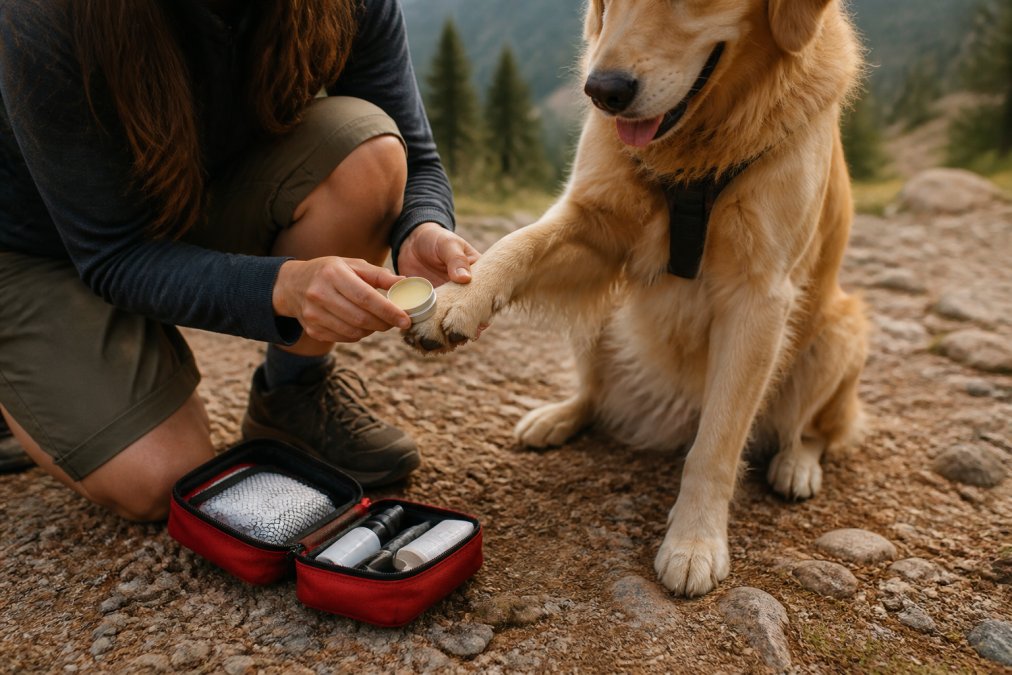
The dogsRtreed medical kit is built with both species in mind, drawing on over 50 years of experience by founder Kevin Hall. That depth of knowledge shows in what's included: quality wound care supplies, not cheap filler.
A functional dog-specific first aid kit should include:
- Sterile gauze pads and rolled gauze
- Antiseptic wipes and wound spray
- Self-adhesive bandage wrap
- Tweezers and tick removal tool
- Eye wash solution
- Antihistamine (consult your vet for dosing before your trip)
- Paw protection balm
- Emergency thermal blanket
- Blunt-tip scissors
- Your vet's contact number and nearest emergency clinic address
Paw Protection on Rugged Terrain
Paw protection on rugged terrain is a genuine issue. Hot ground, sharp rock, abrasive gravel, and trail salt all cause paw pad damage that compounds over a multi-day trip. A dog that starts a trip with healthy pads can be limping by day three if paw care is ignored.
The dogsRtreed Paws R Protected balm is formulated for exactly this scenario: rough terrain, repeated application, real working conditions. It's all-natural, which matters for dogs who lick their paws, and it's designed to hold up through a full day of trail work.
Apply paw balm before the day's hike and again at camp in the evening. Check pads daily for cuts, abrasions, or cracking. If a pad is bleeding or deeply cracked, wrap it with self-adhesive bandage and reduce activity until it heals.
Eco-Friendly Gear Choices and Maintenance Tips
Sustainable gear choices are increasingly practical. Recycled ripstop fabrics, natural rubber paw balms, biodegradable waste bags, and plant-based cleaning products are all available from quality outdoor gear suppliers and perform comparably to conventional alternatives.
The real sustainability win in dog camping gear is durability. A harness that lasts five seasons generates far less waste than three cheap harnesses that fail in eighteen months each. Buying adventure-ready, trail-tested gear from the start is both economical and environmentally sound.
Gear maintenance extends lifespan significantly. After every trip: rinse harnesses, leashes, and tie-out systems with clean water to remove trail grit and salt; air dry all gear completely before storage; inspect buckles, swivel connections, and stitching points for wear; clean collapsible bowls with mild soap and rinse thoroughly; restock your first aid kit before the next trip.
Adventure-Ready Toys and Training for Camping Readiness
Most dogs don't arrive at their first camping trip ready for the experience. New sounds, unfamiliar terrain, proximity to wildlife, and the absence of their usual routine can produce anxiety, reactivity, or refusal to settle at camp. Training for camping readiness is essential.
Start with basic obedience in outdoor environments. A reliable recall is the single most important skill for off-leash safety. Practice in progressively more distracting environments before relying on it in the backcountry.
Introduce your dog to camping gear before the trip. Let them sleep on the camping pad at home. Put on the harness for regular walks. Run the tie-out system in the backyard. Familiarity with equipment reduces stress on the actual trip.
For toys, prioritize durable, adventure-ready options that can handle rough handling and moisture. Hard rubber chew toys, tug toys with reinforced stitching, and floating fetch toys for water access all hold up better than soft plush toys. Pack one familiar comfort toy alongside the adventure-ready options to help dogs settle in unfamiliar camp environments.
Choosing Durable Dog Gear for Camping: Final Thoughts
Durable dog gear for camping is an investment in your dog's safety and your own peace of mind on trail. The gear categories covered here, sleeping, containment, hydration, waste management, visibility, first aid, paw protection, and training, form a complete system. A weakness in any one category creates risk across the whole trip.
The throughline across every category is the same: buy gear built for the conditions your dog actually faces, not gear built for the conditions a product photo suggests. Working dogs, hunting hounds, and serious trail companions need equipment tested against real demands.
For breed-specific gear requirements, check guidance from the American Veterinary Medical Association's pet travel resources before your first backcountry trip with a new dog.
Frequently Asked Questions
What is the most forgotten item when camping with a dog?
Paw protection is the item most dog owners forget. Sharp rocks, hot ground, and rough terrain can crack and cut pads fast, especially on multi-day trips. A quality balm or protective spray, applied before and after each trail session, prevents painful injuries that can cut a trip short. Waste bag dispensers and a portable first aid kit are close runners-up on the forgotten-item list.
Where should a dog sleep when camping to stay safe and warm?
Inside the tent with you is the safest and warmest option. Place a packable sleeping pad or insulated dog bed on the tent floor to keep your dog off the cold ground. Dogs lose heat through direct ground contact faster than through ambient air. For working breeds or large dogs, a sleeping bag liner sized for dogs adds thermal insulation on sub-freezing nights without taking up much pack space.
How do I choose a durable dog leash for hiking and camping?
Look for ripstop or heavy-duty nylon webbing with welded or solid brass hardware rather than lightweight plastic clips. A 6-foot fixed leash handles most trail situations; a hands-free waist leash frees your hands on technical terrain. For multi-dog handlers, a no-tangle coupler attached to a single anchor point reduces the knot-and-wrap problem common with separate lines. Check stitching at the handle and clip attachment points, those spots fail first.
What are the best types of gear to bring when camping with dogs?
Prioritize these categories: a weather-resistant sleeping pad or bed, a durable harness with reflective trim, a collapsible bowl for food and water, a waste bag dispenser, a dog first aid kit, paw protection balm, a lightweight leash or tie-out system, and a hydration supplement if your dog is active. Visibility gear, glow-in-the-dark tags or a rechargeable LED collar, matters most on backcountry and multi-day trips where nighttime safety is a real concern.
Is a dog first aid kit for camping different from a regular pet first aid kit?
Yes. A dog first aid kit built for camping includes items a standard kit skips: tick removal tools, blister and pad treatment supplies, wound irrigation syringes for trail debris, and emergency thermal blankets. A kit designed for field and backcountry use should also cover human injuries, since help is rarely close by. Look for kits that include clear instructions, in an emergency, you may be treating your dog without cell service or vet guidance.
Putting together a complete kit for a multi-day camping trip with your dog takes time, but the right gear makes every trip safer and more enjoyable for both of you. dogsRtreed offers the core essentials that working dog handlers rely on: a 2-step hydration and nutritional recovery system, the all-natural Paws R Protected balm, durable safety travel tie-out systems, and comprehensive medical kits built for real field conditions. Add to cart and get your dog's kit ready before the next trip.
This article was written using GrandRanker