
Natural Paw Protection for Hunting Dogs: A Complete Guide
Table of Contents
- Why Natural Paw Protection Matters for Hunting Dogs
- How to Toughen Dog Paw Pads for Hunting Season
- Natural Ingredients That Protect and Heal Paw Pads
- Mushers Secret Alternative Balm: Natural Options That Work
- Hunting Dog Paw Pad Injury Treatment and Recovery
- Protecting Paws from Extreme Weather and Terrain
- Application Tips and Year-Round Paw Maintenance
- Conclusion
Last Updated: August 27, 2026
Why Natural Paw Protection Matters for Hunting Dogs
Paw pad injuries are the leading cause of field retirement for hunting dogs, according to American Kennel Club guidelines cited by dogsRtreed. Your dog's paws are their foundation, literally. They're sophisticated sensory organs, shock absorbers, and the first point of contact with terrain that ranges from sharp rocks to scorching pavement. Neglect them, and you're setting your hunting partner up for early retirement from the field.
The stakes are real. In a study of traumatic pad injuries, 68% of dogs presented with lacerations to a front footpad, and dogs with full-thickness pad lacerations were 7.27 times more likely to suffer major complications. That's not a minor concern, that's a critical vulnerability that compounds over a season.
At dogsRtreed, we've worked with hunters for decades, and we've seen firsthand what separates dogs that finish strong from those that hobble home early. The difference often comes down to one thing: proactive paw care using natural paw protection for hunting. This guide walks you through exactly how to condition, protect, and maintain your hunting dog's paws so they stay field-ready all season long.

The good news? This isn't complicated. It's about consistency, the right natural ingredients, and understanding your specific hunting environment. Below, we'll show you exactly how to build a paw care routine that works.
How to Toughen Dog Paw Pads for Hunting Season
Building tough, resilient paw pads doesn't happen overnight. It's a progressive process that mirrors how human athletes condition their bodies, gradual exposure, recovery, and adaptation.
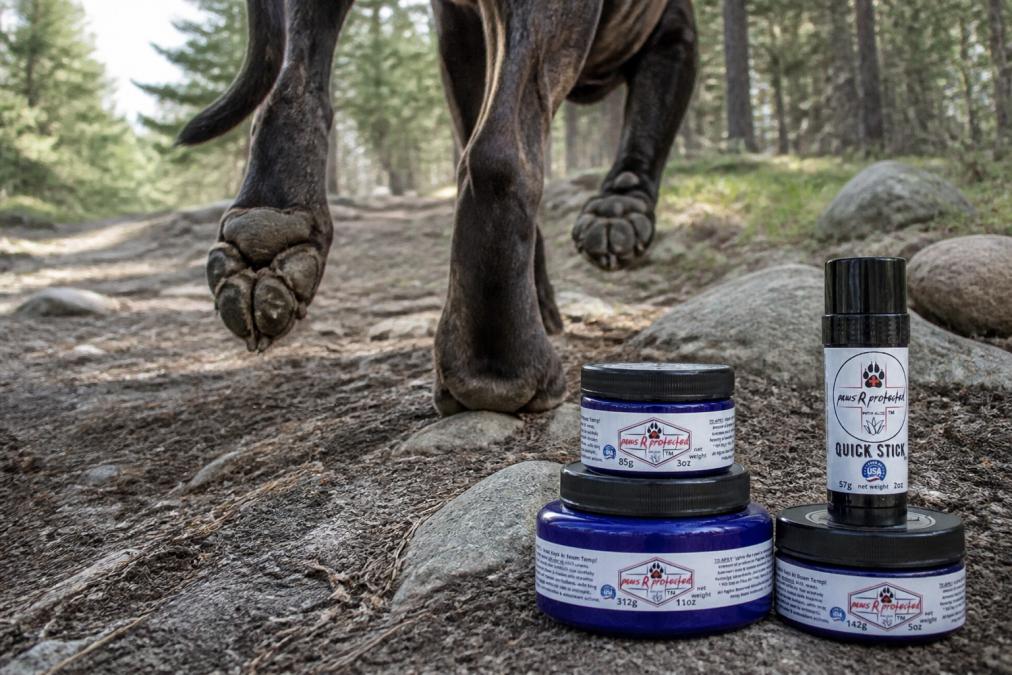
Progressive Conditioning on Varied Terrain
Start small and build progressively. Most hunters make the mistake of ramping up mileage too fast, expecting their dogs to handle rough terrain immediately. That's a recipe for injury.
Instead, begin with short walks on varied surfaces, grass, dirt, gravel, then rocky ground. Week one might be 15-20 minutes on soft terrain. Week two, introduce rougher surfaces for 10-15 minutes. By week four, your dog should be handling mixed terrain comfortably. The goal is to trigger pad thickening without causing damage.
As veterinary guidance on sporting dogs notes, the number of dogs participating in sports has increased in recent years, leading to a corresponding increase in sporting injuries. The difference between conditioned and unconditioned dogs is dramatic. Conditioned pads develop calluses, nature's armor. Unconditioned pads tear.
Progressive conditioning works because it forces the body to adapt. Each small exposure triggers pad thickening, increased blood flow, and toughening of the tissue. Skip this step, and you're relying entirely on protective balms to do the work. That's backward.
Pre-Hunt Paw Pad Preparation
Two weeks before hunting season, shift your conditioning focus. Your dog's pads should already be toughened from progressive work, but now you're preparing them for the specific demands ahead.
This is where natural paw protection for hunting balms enter the picture. Apply a quality natural paw balm 2-3 times per week during this final conditioning phase. The balm doesn't just protect, it conditions the pad tissue, seals micro-cracks before they become problems, and prepares the pads for extended field time.
Dr. Seth Bynum, a veterinarian who works extensively with hunting dogs, explains it this way: "Preventing paw injuries is not a passive process, and the hours you invest in strengthening your hunting dog's feet pay dividends later in the season. Just like fingertip calluses from playing guitar, a hunting dog's tough feet are a direct result of hours..." of consistent conditioning and care.
The practical implication? Start your conditioning routine 6-8 weeks before season, not two weeks before. Two weeks is maintenance, not foundation-building.
Natural Ingredients That Protect and Heal Paw Pads
Not all paw balms are created equal. Some rely on greasy ingredients like petroleum or heavy beeswax that clog pores, trap moisture and bacteria (leading to yeast infections), and make paws slippery in the field. Others use synthetic additives that don't actually support pad health.
Natural paw protection for hunting demands ingredients that work with your dog's biology, not against it.
Shea Butter creates a moisture barrier without clogging pores. It's rich in fatty acids that penetrate pad tissue and restore suppleness. Unlike heavier butters, shea absorbs rather than sits on the surface.
Jojoba Oil mimics the natural oils your dog's pads produce. It hydrates deeply, reduces inflammation, and provides antimicrobial properties that prevent infection in minor cuts.
Vitamin E is a powerful antioxidant that supports tissue repair. When pads are stressed from rough terrain, vitamin E accelerates healing and prevents oxidative damage.
Beeswax (in proper proportion) creates a breathable protective barrier. The key is balance, too much and you're back to clogging pores; the right amount provides protection without trapping heat or moisture.
Aloe Vera soothes irritation and supports the skin's natural healing processes. It's particularly useful for dogs with sensitive pads or minor abrasions.
The research is clear on one point: organic paw balms held the largest product type share at 38.2% of total market revenue in 2025, according to Dataintelo's paw balms market analysis. Consumers are voting with their wallets, they want natural ingredients that work.
Mushers Secret Alternative Balm: Natural Options That Work
If you're looking for a mushers secret alternative balm that actually delivers, focus on products built on the natural ingredient foundation above, not gimmicks.
The dogsRtreed Paws R Protected balm exemplifies what works. It combines aloe, waxes, hydrating oils, butters, and Vitamins A, D, and E, a formula designed for conditioning, healing, and preventing pad wear. It's a favorite among serious hunting dog handlers because it's not a quick fix; it's a system.
A quality natural paw protection for hunting balm should:
- Absorb within 10-15 minutes (not leave greasy residue)
- Provide protection for 4-6 hours of field time
- Support healing of minor cuts and abrasions
- Prevent cracking in extreme temperatures
- Maintain pad suppleness without softening them excessively
The market for paw balms is growing fast. North America alone accounted for $124.8 million in revenue in 2025, equivalent to 39.9% of the global market, according to Dataintelo's regional market data. That growth reflects something real: hunters and active dog owners are recognizing that paw care isn't optional, it's essential.
When evaluating alternatives, read ingredient lists carefully. If you see petroleum, mineral oil, or vague terms like "fragrance," keep looking. The best balms list every ingredient and explain why it's there.
Hunting Dog Paw Pad Injury Treatment and Recovery
Even with perfect prevention, injuries happen. Knowing how to respond, and when to call a vet, is critical.
Recognizing Serious vs. Minor Injuries
Not all paw injuries require a veterinarian visit, but some absolutely do.
Minor injuries include superficial lacerations (wounds that don't penetrate the full thickness of the pad), small abrasions, and minor swelling. These you can treat in the field and at home.
Serious injuries include deep lacerations (you can see white tissue beneath the pad), bleeding that doesn't stop within a few minutes, signs of infection (swelling, heat, discharge), or lameness that persists beyond 24 hours.
Dr. Jennell Appel, proprietor of SportVet Canine Rehabilitation and Sports Medicine Clinic, draws a clear line: "My rule of thumb is that superficial lacerations, meaning wounds that don't go all the way through to the meat of the pad tissue, are issues you can treat yourself. But if you can see the white tissue beyond the paw pad, you're looking at something that requires a trip to the veterinarian, probably for suturing." That's your decision point. Superficial = field treatment. Deep = vet visit.
First-Aid Steps for Field Injuries
Carry a basic field kit with gauze, antiseptic, and a quality natural paw balm. When your dog sustains a minor pad injury:
-
Stop and assess. Don't push through. A small cut now becomes a major problem after another two hours of running.
-
Clean the wound. Use clean water or a mild antiseptic. Remove dirt and debris. Pat dry with gauze.
-
Apply pressure if bleeding. Hold gauze on the wound for 2-3 minutes. Most minor cuts stop bleeding quickly.
-
Apply natural paw balm. Once clean and dry, apply a thin layer of healing balm. This protects against infection and supports tissue repair.
-
Monitor closely. Check the paw every 30 minutes. If swelling increases, bleeding resumes, or your dog shows signs of infection, head to the vet.
-
Restrict activity. After treatment, limit your dog's running for the rest of that day. Resume gradually the next day if the injury looks stable.
Most minor pad injuries heal within 3-5 days with proper care. The key is catching them early and preventing secondary infection.
Protecting Paws from Extreme Weather and Terrain
Different hunting environments demand different protection strategies. Natural paw protection for hunting isn't one-size-fits-all.
Hot Pavement and Summer Heat
Heat is deceptive. Pavement temperatures of 125°F can cause thermal injury to a dog's paw pads in as little as 60 seconds, even when the air temperature is only 77°F. That's not theoretical, it's physics.
In summer hunting, apply natural paw balm before heading out. The balm creates a thermal barrier that reduces heat transfer to the pad tissue. Reapply every 2-3 hours if you're hunting on pavement or hot ground.
Watch for signs of heat stress: limping, reluctance to move, excessive panting, or pads that feel hot to the touch. These signal that your dog needs immediate shade, water, and rest.

Snow, Ice, and Winter Salt
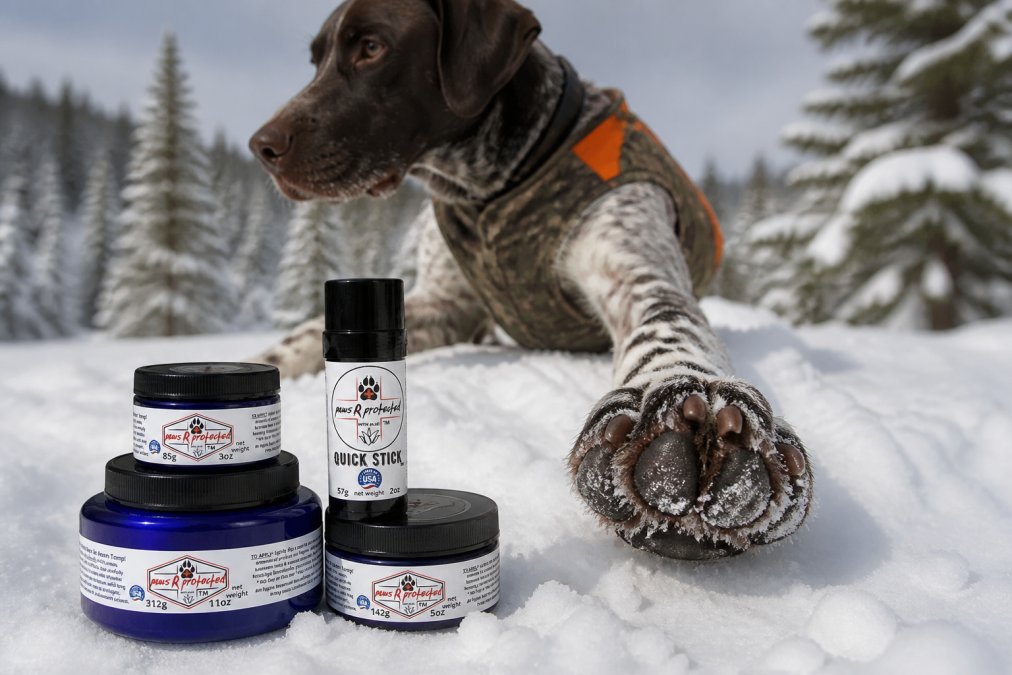
Winter hunting presents different challenges. Snow and ice cut pads. De-icing salt causes chemical burns. Cold temperatures crack dry pads.
Apply a protective balm before winter hunts. Look for balms that prevent ice ball buildup between toe pads, that's a specific problem in winter hunting, and not all balms address it. Some paw waxes were developed specifically to treat dry, cracked pads, prevent ice ball buildup, and protect from road salt and de-icers, forming a tough but breathable barrier while restoring pad suppleness.
After winter hunts, wash your dog's paws with warm water to remove salt residue. Salt left on pads causes irritation and cracks. Then apply balm to restore moisture and healing.
Rocky and Sharp Terrain
Rough, rocky terrain is where conditioning and protection work together. Your dog's conditioned pads provide the foundation; natural paw balm provides the armor.
Before hunting on sharp terrain, apply balm generously. The goal is maximum protection, not minimal application. Reapply every 4 hours or after crossing particularly rough sections.
Watch your dog's gait. If they start favoring a paw or moving cautiously, stop and inspect. Catching a developing injury early prevents it from becoming serious.
Application Tips and Year-Round Paw Maintenance
Paw care isn't seasonal, it's year-round. But application methods and frequency shift based on season and hunting intensity.
When and How to Apply Natural Balms
Pre-hunt application (1-2 hours before): Apply a thin, even layer to all paw pads and between toes. Use your fingers to work it in gently. The balm should absorb within 10-15 minutes, leaving a protective coating but not greasy residue.
Post-hunt application (after activity): Clean paws with warm water, pat dry, then apply balm. This supports healing and prevents overnight cracking.
Maintenance application (off-hunt days): 2-3 times per week during season, once weekly during off-season. This keeps pads conditioned and prevents cracks.
Deep conditioning (weekly during season): Once per week, apply a heavier layer before bed. Let it sit overnight. This intensive treatment accelerates healing and builds pad resilience.
The dogsRtreed Paws R Protected balm is designed for this multi-use approach. A single container lasts most hunters 2-3 months of regular use during season.
Trimming Interdigital Hair and Nail Care
Hair between toes traps moisture, dirt, and bacteria. Trim this interdigital hair every 2-3 weeks during hunting season.
Use blunt-tipped scissors or a grooming clipper. Be careful not to cut skin. The goal is to expose the webbing between toes, allowing better air circulation and easier cleaning.
Nails should be kept short, ideally, they shouldn't touch the ground when your dog stands. Long nails change gait, increase stress on pads, and increase injury risk. Trim every 3-4 weeks, or more frequently if your dog hunts on soft ground (which doesn't naturally wear nails down).
After trimming, apply natural paw balm. The trimming process can irritate skin, and balm supports healing.
Natural paw protection for hunting isn't a luxury, it's a necessity if you want your dog to finish strong and stay healthy. The combination of progressive conditioning, quality natural ingredients, and consistent maintenance creates paws that can handle whatever terrain you encounter.
The dogsRtreed approach combines all three elements. Our Paws R Protected balm supports conditioning and healing with proven natural ingredients. Our team has spent decades working with hunting dogs, and we've built products that reflect real-world field demands. Start with progressive conditioning now, apply natural paw protection for hunting regularly, and your dog will thank you with a full season of peak performance. Get started with dogsRtreed's ALL-IN-ONE Paw Protector Balm and give your hunting partner the foundation they need to stay in the field all season long.
=== FAQ ANSWERS (audit these too, same rules) ===
[1] Q: What are the signs of paw pad injury in hunting dogs? A: Watch for limping, reluctance to put weight on a paw, excessive licking or chewing at pads, bleeding, or visible cuts. According to research, 68% of dogs with traumatic pad injuries presented with lacerations to a front footpad. If you can see white tissue beneath the pad surface, seek veterinary care immediately, dogs with full-thickness lacerations are 7.27 times more likely to suffer major complications. Minor superficial wounds without deep tissue exposure can often be treated at home with natural balms and rest.
[2] Q: How do I make a natural paw balm alternative to Mushers Secret? A: Combine beeswax, candelilla wax, jojoba oil, olive oil, shea butter, and Vitamin E. Heat the waxes gently, mix in oils and butter, then add Vitamin E before cooling in small containers. Key ingredients like jojoba oil provide moisture barrier protection, while shea butter and Vitamin E support skin healing and elasticity. This DIY approach gives you control over ingredients, though professionally blended balms like pawsRprotected offer consistent texture, and longer shelf stability that homemade versions may lack.
[3] Q: How often should I apply natural paw protection before and during hunting season? A: Apply balm 2-3 times per week during off-season conditioning, then daily during active hunting season, especially before long field days. Reapply after water exposure or muddy terrain. Preventive conditioning builds pad toughness over time, just like fingertip calluses from playing guitar, a hunting dog's tough feet result from hours of gradual strengthening. For dogs in extreme conditions (hot pavement, sharp rocks, salt), apply balm before each outing and again after returning home to lock in moisture and prevent cracking.
[4] Q: Is natural paw protection better than boots for hunting dogs? A: Both serve different purposes. Natural balms condition and protect pads while maintaining sensory feedback and grip, essential for hunting where dogs need traction and ground feel. Boots offer maximum protection in extreme conditions but can cause overheating, reduce proprioception, and restrict movement. Many hunters use balms as the primary approach with boots reserved for severe weather or post-injury recovery. Natural paw protection provides year-round conditioning benefits without the bulk, making it ideal for active field work.
Frequently Asked Questions
Q: What are the signs of paw pad injury in hunting dogs?
A: Watch for limping, reluctance to put weight on a paw, excessive licking or chewing at pads, bleeding, or visible cuts. According to research, 68% of dogs with traumatic pad injuries presented with lacerations to a front footpad. If you can see white tissue beneath the pad surface, seek veterinary care immediately, dogs with full-thickness lacerations are 7.27 times more likely to suffer major complications. Minor superficial wounds without deep tissue exposure can often be treated at home with natural balms and rest.
Q: How do I make a natural paw balm alternative to Mushers Secret?
A: Combine beeswax, candelilla wax, jojoba oil, olive oil, shea butter, and Vitamin E. Heat the waxes gently, mix in oils and butter, then add Vitamin E before cooling in small containers. Key ingredients like jojoba oil provide moisture barrier protection, while shea butter and Vitamin E support skin healing and elasticity. This DIY approach gives you control over ingredients, though professionally blended balms like pawsRprotected offer consistent texture, and longer shelf stability that homemade versions may lack.
Q: How often should I apply natural paw protection before and during hunting season?
A: Apply balm 2-3 times per week during off-season conditioning, then daily during active hunting season, especially before long field days. Reapply after water exposure or muddy terrain. Preventive conditioning builds pad toughness over time, just like fingertip calluses from playing guitar, a hunting dog's tough feet result from hours of gradual strengthening. For dogs in extreme conditions (hot pavement, sharp rocks, salt), apply balm before each outing and again after returning home to lock in moisture and prevent cracking.
Q: Is natural paw protection better than boots for hunting dogs?
A: Both serve different purposes. Natural balms condition and protect pads while maintaining sensory feedback and grip, essential for hunting where dogs need traction and ground feel. Boots offer maximum protection in extreme conditions but can cause overheating, reduce proprioception, and restrict movement. Many hunters use balms as the primary approach with boots reserved for severe weather or post-injury recovery. Natural paw protection provides year-round conditioning benefits without the bulk, making it ideal for active field work.
This article was written using GrandRanker