
Best Dog Hydration System 2026: A Buyer's Guide
Table of Contents
- Why Your Dog Needs a Dedicated Hydration System
- How to Keep Dogs Hydrated While Hunting
- Signs of Dehydration in Working Dogs
- Choosing the Right Dog Hydration System for Your Lifestyle
- Dog Electrolyte Recovery Supplements for Peak Performance
- Maintenance, Cleaning, and Long-Term Durability
- Conclusion
Last Updated: August 25, 2026
Why Your Dog Needs a Dedicated Hydration System
Almost 90% of dogs don't drink enough water, and most owners are unaware of this critical gap in their pet's health (dataintelo.com). A dedicated dog hydration system addresses this problem directly by making water more accessible, appealing, and consistent for your dog. Whether you're hunting in remote terrain, camping for days, or managing a multi-dog household, the right hydration setup becomes essential to your dog's performance and long-term health.
The stakes are particularly high for working dogs. Dehydration doesn't just cause thirst, it undermines endurance, impairs recovery, and can escalate into heat exhaustion or worse. According to Dataintelo's 2026 market analysis, the global dog hydration tracking bowl market was valued at $1.8 billion in 2025 and is projected to reach $4.6 billion by 2034, expanding at an 11.0% compound annual growth rate. This explosive growth reflects a fundamental shift: dog owners are finally treating hydration as a performance metric, not an afterthought.
Research from The Farmer's Dog shows that dogs fed fresh, human-grade food consumed 20% more total water than dogs in the kibble group, despite drinking less from their bowls. They also exceeded their daily water requirement by 40% on average. This finding reveals something critical: the right hydration system can fundamentally change how much your dog drinks, and therefore how well they perform.
At dogsRtreed, we've spent decades working with hunting dogs, sporting dogs, and outdoor enthusiasts who depend on their animals' peak performance. Our approach to hydration goes beyond simple water bowls. We've built a 2-step hydration and nutritional recovery system designed specifically for active dogs in demanding conditions.
How to Keep Dogs Hydrated While Hunting
Hunting demands everything from your dog: miles of running, intense focus, physical exertion in variable temperatures, and often limited access to water. A dedicated dog hydration system in this context isn't optional, it's the difference between a dog that finishes strong and one that fades by day two.
The most effective approach combines three elements: portable hydration for the field, electrolyte supplementation for recovery, and consistent access to fresh water at camp. Portable water bottles with collapsible bowls keep water accessible during active hunting. These systems are designed to be lightweight, packable, and quick to deploy. Unlike traditional water bowls, they eliminate the need to find a stream or rely on uncertain water sources.
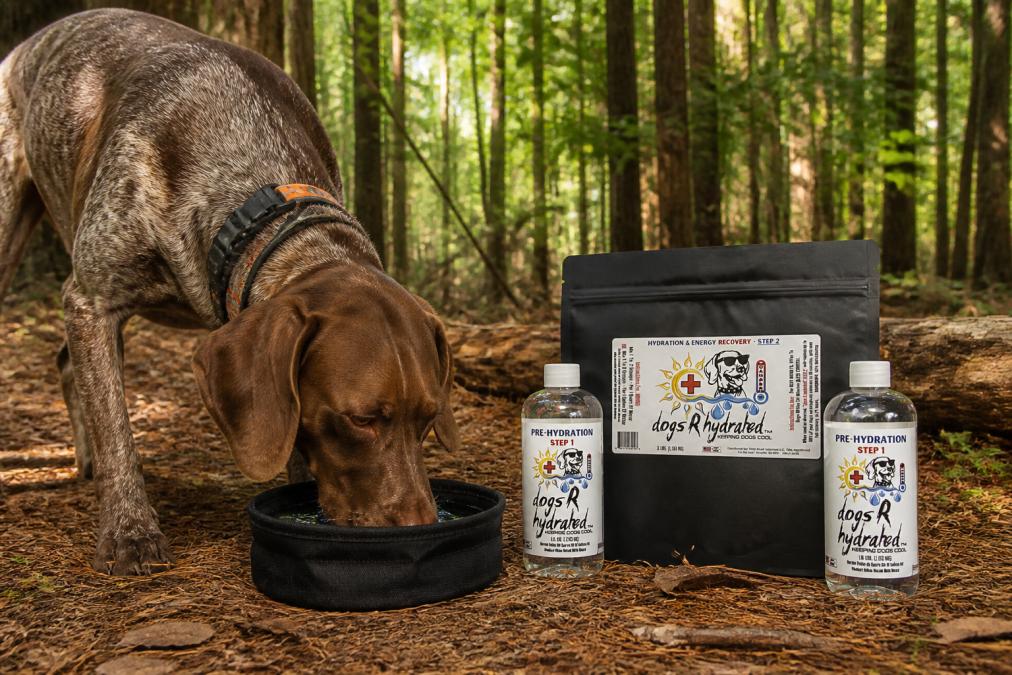
For extended trips, circulating water systems become invaluable. The movement of the water triggers natural drinking instincts, and the continuous circulation keeps water fresher throughout the day.
Electrolyte drinks deserve special attention here. Research from the University of Pennsylvania found that dogs given a chicken-flavored electrolyte drink consumed significantly more fluid and maintained better hydration levels than those offered plain water or subcutaneous electrolyte injections, without sodium buildup (upenn.edu). For hunting dogs working hard in heat, this translates to better endurance and faster recovery between exertions.
The dogsRhydrated system we've developed addresses all three components. It combines a portable hydration component with electrolyte-enhanced recovery nutrition, allowing you to maintain your dog's hydration status from the moment you leave camp through the evening recovery period. The system is built around the reality that working dogs need more than water, they need nutritional support for the demands you're placing on them.

Signs of Dehydration in Working Dogs
Recognizing dehydration early prevents it from becoming a crisis. The signs are subtle at first, then unmistakable if you miss them. A dog in early dehydration will appear slightly less responsive, may pant more than the exertion warrants, and will often refuse water even when offered. The gums lose their normal pink color and become tacky rather than moist.
More advanced dehydration manifests as lethargy, sunken eyes, and skin that doesn't bounce back when gently pulled. At this point, your dog's performance has already degraded significantly. Core body temperature rises, and heat stress becomes a real risk even in moderate conditions. For working dogs, this is unacceptable, you want to catch dehydration before it impacts performance, not after.
A simple test: press your thumb against your dog's gum, release, and observe how quickly the color returns. Healthy gums refill in under two seconds. Dehydrated gums take three seconds or longer. This test takes five seconds and tells you everything you need to know about your dog's hydration status.
The most important insight here is that thirst is a lagging indicator. By the time your dog is actively seeking water, mild dehydration has already begun. This is why a dedicated dog hydration system with consistent access matters, you're preventing the problem rather than reacting to symptoms.
Choosing the Right Dog Hydration System for Your Lifestyle
The best dog hydration system depends on three variables: your primary use case, your dog's size and breed, and your commitment to maintenance. There's no universal answer, but there are clear winners for specific situations.
Portable Water Bottles vs. Fountain Systems
Portable water bottles win for hunting, hiking, and travel. They're lightweight, packable, and deliver water on demand without electricity or complex setup. The collapsible bowl design means you're not carrying extra weight, the bowl packs flat until you need it. For someone spending days in the field with limited infrastructure, portability is non-negotiable.
Fountain systems dominate for home use and base camps. The continuous movement triggers natural drinking behavior, and the filtration keeps water fresher throughout the day. For a dog that spends most of its time at home or at a semi-permanent hunting camp, a fountain system delivers measurable improvements in daily water intake.
The trade-off is clear: portability versus effectiveness. A portable bottle gives you hydration anywhere. A fountain system gives you better hydration in one place. For most active dog owners, the answer is both, a portable system for the field and a fountain for home base. durable hiking leashes.
Material Matters: Stainless Steel, Plastic, and Food-Grade Options
Food-grade stainless steel is the gold standard. It's durable, doesn't leach chemicals, resists bacteria growth, and survives years of hard use. Stainless steel bowls and bottles won't crack from drops, won't degrade in sunlight, and are dishwasher safe for easy cleaning. The upfront cost is higher, but the lifespan justifies it.
BPA-free plastic is acceptable for portable systems where weight matters. Modern food-grade plastics are safe and significantly lighter than stainless steel. The downside is durability, plastic can crack, discolor, and develop odors over time. For a bottle you're carrying miles into the backcountry, the weight savings might justify the trade-off. For a system that stays at home, stainless steel wins.
Avoid cheap plastics entirely. They leach chemicals, harbor bacteria in microscopic cracks, and fail unpredictably. You're not saving money with cheap plastic, you're just deferring the expense until you replace it.
Capacity and Size for Different Dog Breeds
A small dog (under 25 pounds) needs 8-16 ounces of water per day in normal conditions, more in heat or with activity. A portable bottle in the 16-32 ounce range covers most scenarios. For larger dogs (50+ pounds), you're looking at 32-64 ounces minimum, which means either a larger bottle or multiple refills.
Giant breeds present a unique challenge. A 100-pound dog needs substantial water intake, and portable bottles become impractical. For giant breeds, a combination approach works best: a large-capacity portable bottle for shorter trips, and a fountain system at home or base camp. The fountain ensures consistent hydration during downtime, when the dog is most likely to drink.
Multi-dog households require scaling. Two medium dogs need roughly double the water of one. Rather than carrying multiple bottles, consider a larger capacity system or plan more frequent refills. For hunting with multiple dogs, dogsRtreed's heat care bundle addresses this by combining hydration with recovery nutrition, one system supports multiple dogs efficiently.

| Dog Size | Portable Bottle Capacity | Fountain Capacity | Best For |
|---|---|---|---|
| Small (under 25 lbs) | 16-32 oz | 2-3 liters | Day trips, lightweight travel |
| Medium (25-50 lbs) | 32-64 oz | 3-5 liters | Extended hunts, multi-day trips |
| Large (50-100 lbs) | 64+ oz | 5+ liters | Base camp, home use |
| Giant (100+ lbs) | Multiple bottles or large system | 5+ liters | Home + portable combination |
Dog Electrolyte Recovery Supplements for Peak Performance
Electrolyte supplements are where most dog owners miss an opportunity. You're hydrating your dog with water, but you're not supporting the physiological recovery that hard work demands. Electrolytes, sodium, potassium, and magnesium, are lost through sweat and exertion. Replacing them accelerates recovery and prevents the performance decline that comes with mineral depletion.
The research is clear. Dogs receiving a chicken-flavored electrolyte drink drank significantly more fluid and had greater hydration levels compared to plain water, according to University of Pennsylvania research. They also maintained stable sodium levels without buildup. This means electrolyte supplementation doesn't just improve hydration, it makes dogs more willing to drink, creating a virtuous cycle of better hydration.
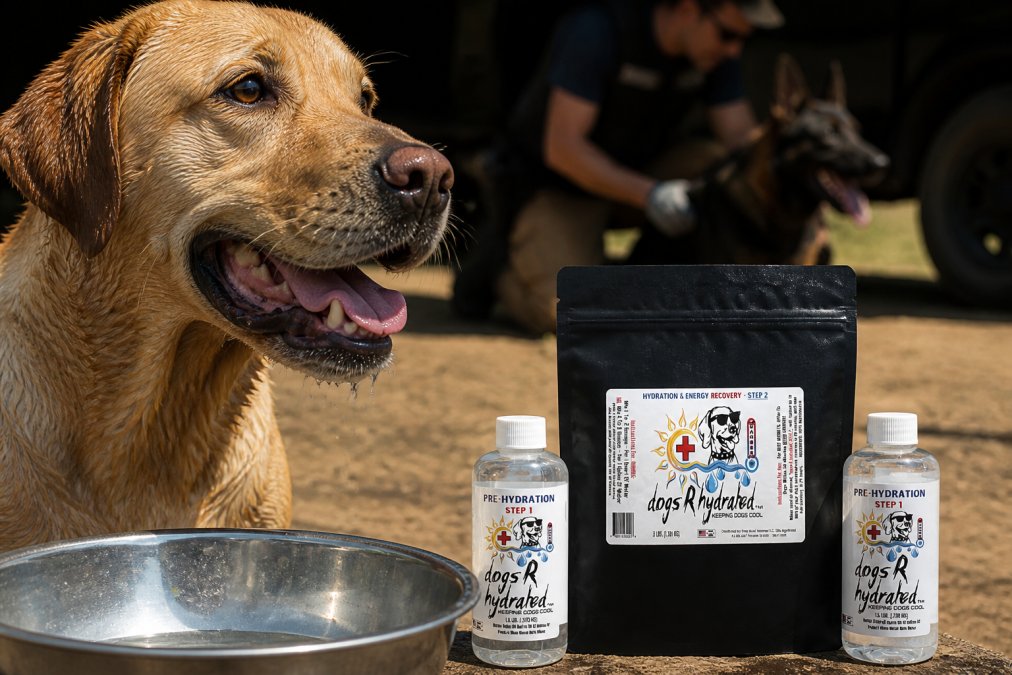
For hunting dogs specifically, the timing of electrolyte supplementation matters. Immediately after hard work, when your dog is cooling down and recovering, is the optimal window. This is when the body is most receptive to nutrient absorption and when electrolyte replacement has the greatest impact on recovery speed. A dog that recovers faster is ready for the next day's demands.
The dogsRhydrated system we've developed at dogsRtreed combines electrolyte-enhanced hydration with nutritional recovery support. Rather than forcing your dog to drink plain water and hoping they consume enough, the system makes hydration palatable and delivers the minerals needed for genuine recovery. For working dogs, this difference is measurable in performance across multiple days.
Maintenance, Cleaning, and Long-Term Durability
The best dog hydration system is only as good as your willingness to maintain it. Dirty water systems breed bacteria, mold, and biofilm that defeat the entire purpose of providing fresh water. Maintenance isn't optional, it's the difference between a system that supports health and one that becomes a liability.
Fountain systems require regular cleaning and filter replacement. The pump should be cleaned weekly, the bowl washed daily, and the filter replaced every 2-4 weeks depending on your water quality. Automatic water dispensers require consistent cleaning and filter replacement to prevent bacteria or mold, and some models produce a hum that might be distracting to noise-sensitive dogs. The maintenance burden is real, but it's manageable if you treat it as routine.
Portable bottles are simpler. Rinse after each use, wash with soap and water daily, and allow to air dry completely. The collapsible bowl design means no hidden corners where bacteria can hide. Stainless steel resists odors and discoloration, making it easier to verify that your bottle is genuinely clean.
Long-term durability favors stainless steel systems over plastic. A quality stainless steel bottle will last years with minimal degradation. Plastic degrades in sunlight, cracks from drops, and develops permanent odors that are difficult to eliminate. For someone investing in a dog hydration system, stainless steel is the economical choice over the long term.
The right dog hydration system isn't a luxury, it's a foundation for working dog health and performance. Whether you're hunting across rugged terrain, managing a multi-dog household, or simply committed to keeping your dog at peak condition, the market offers solutions for every situation. The key is matching the system to your specific use case and committing to the maintenance that keeps it effective.
At dogsRtreed, we've built our hydration approach around what actually works for active dogs in demanding conditions. Our dogsRhydrated system combines portable hydration with electrolyte-enhanced recovery nutrition, designed specifically for the working dog owner who refuses to compromise on performance. Get started with dogsRtreed's hydration system and give your dog the consistent, quality water intake that translates directly into better endurance, faster recovery, and healthier long-term outcomes.
Frequently Asked Questions
Q: What is the best water filtration system for dogs?
A: A carbon filter system that removes sediment, chlorine, and impurities works best. Look for food-grade stainless steel designs with multi-stage filtration. The dogsRhydrated hydration and energy recovery system combines filtration with nutritional support, addressing both water quality and electrolyte balance for working dogs.
Q: What are the signs of dehydration in active dogs?
A: Watch for dry gums, lethargy, reduced skin elasticity, dark urine, and excessive panting. Working dogs may also show decreased performance or reluctance to engage. A simple skin turgor test, pinching the skin on the neck and seeing if it snaps back quickly, indicates hydration status. If you notice these signs during or after activity, offer water immediately and consider electrolyte supplements to support recovery.
Q: How much water should a working dog consume per hour of activity?
A: Most working dogs need approximately one ounce of water per pound of body weight daily, but this increases significantly during activity. During intense exercise, offer small amounts (1-2 tablespoons) every 15-20 minutes rather than large quantities at once. Electrolyte supplements help dogs retain fluids and recover faster after strenuous work.
Q: Do vets recommend water fountains for dogs?
A: Yes. Veterinarians recognize that dogs are instinctively attracted to moving water and drink significantly more from circulating fountain systems. This is especially beneficial for preventing chronic subclinical dehydration in active and working dogs.
This article was written using GrandRanker