
How to Treat Dog Paw Injuries: A Step-by-Step Guide
Table of Contents
- Common Causes of Dog Paw Injuries
- How to Treat Dog Paw Injuries: Immediate Care Steps
- How to Bandage a Dog Paw Properly
- Signs of Infection in Dog Paws
- Dog Paw Balm Benefits and Application
- Dog First Aid Kit Contents Checklist
- When to See a Veterinarian
- Preventing Future Paw Pad Injuries
Last Updated: August 29, 2026
Common Causes of Dog Paw Injuries
Dog paw injuries are the most common hazard when walking or working with canine companions outdoors. According to veterinary research on dog walking hazards, paw injuries include cuts, abrasions, cracked nails, and infections between the toes.
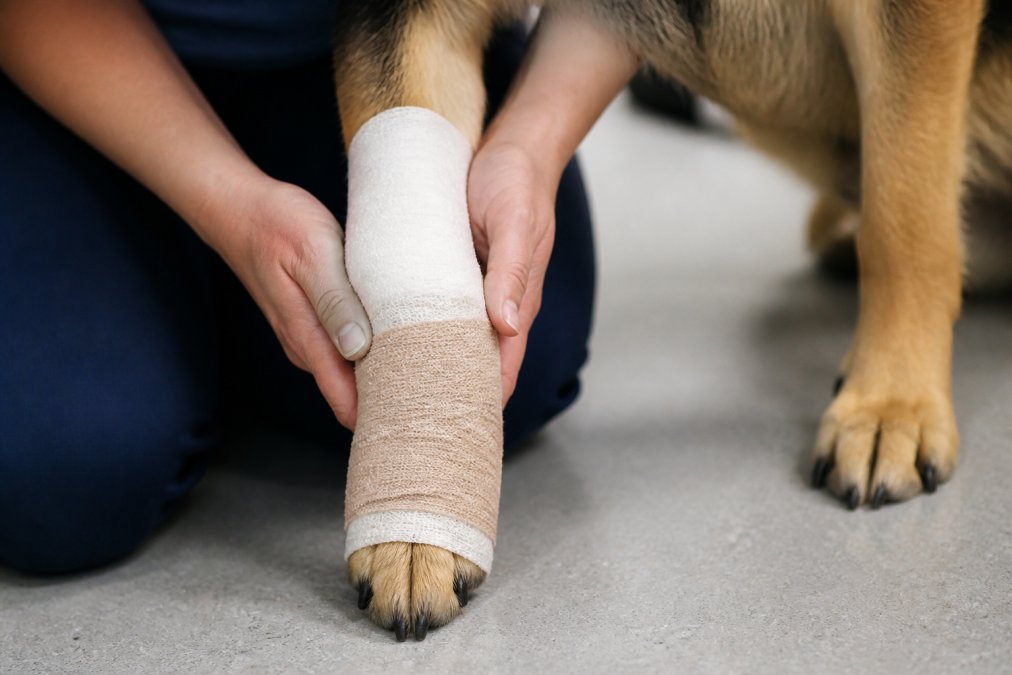
Sharp rocks, broken glass, thorns, and debris hidden in grass can lacerate sensitive paw pads. Asphalt and concrete become hazardous in warm weather, research on heat-related paw injuries shows asphalt can reach over 125°F in direct sun, causing burns in minutes. Winter brings ice, snow, and salt that damage pad tissue and cause painful irritation.
Overuse during long hunts, hikes, or training sessions wears down protective pad tissue. A dog's paws toughen with gradual conditioning, but sudden increases in activity distance or intensity cause blistering and raw spots. Interdigital dermatitis, inflammation between the toes, develops when moisture, dirt, and bacteria accumulate in tight spaces, especially after walking through wet grass or mud.
Nail injuries occur when nails catch on obstacles, split under pressure, or grow too long and curl inward. Allergic reactions and fungal infections also compromise paw health. Most paw problems stem from preventable causes: inadequate conditioning, exposure to harsh surfaces, and delayed treatment of minor wounds.
How to Treat Dog Paw Injuries: Immediate Care Steps
Treating a paw injury starts the moment you notice your dog limping, licking excessively at their paws, or showing visible bleeding. The first few minutes determine whether a minor cut stays minor or develops complications.
Step 1: Stop Bleeding and Clean the Wound
Apply gentle pressure with a clean cloth or sterile gauze for 2-3 minutes to control bleeding. Once bleeding slows, rinse the wound thoroughly with clean water or antiseptic solution. Remove any visible debris: dirt, sand, or plant material. Use sterile gauze to gently clean around the laceration. This prevents bacterial contamination and reduces infection risk significantly.
Minor cuts and abrasions on paw pads typically heal within 7-10 days with proper care, according to veterinary guidance on paw pad healing. Deeper lacerations requiring sutures may take 3 weeks or longer because pad tissue is thick.
Step 2: Apply Antiseptic and Protect the Pad
After cleaning, apply an antiseptic solution to kill bacteria. Many veterinarians recommend topical mupirocin or a broad-spectrum antiseptic spray. A pressure bandage holds the wound clean and prevents your dog from licking it, which delays healing and introduces mouth bacteria. Use sterile gauze as your base layer, then wrap with medical tape or elastic bandage. The bandage should be snug but not tight, you should be able to slip a finger under it.
For wounds on the pad, consider a protective bootie over the bandage. This shields the injury from dirt and moisture while your dog walks and reduces pressure on the injured area.
Step 3: Use Paw Balm for Healing
Once the wound is clean and protected, paw balm supports the healing process. A quality balm with natural ingredients protects exposed tissue and prevents drying. The pawsRprotected All-In-One Paw Protector Balm ($21.99) uses a three-step approach: pre-conditioning to soften tissue, protecting the pad from environmental hazards, and promoting healing through natural ingredients. Apply balm twice daily after cleaning or whenever you change the bandage.

Avoid balms with petroleum jelly as the base, they trap moisture and promote bacterial growth. Look for formulas with natural antimicrobial properties like tea tree oil or calendula, combined with moisturizers that support tissue repair.
How to Bandage a Dog Paw Properly
Proper bandaging keeps the wound clean, reduces pain, and prevents your dog from licking the injury. Start with a clean paw. Apply your antiseptic first and let it dry. Cut a piece of sterile gauze slightly larger than the wound and place it directly over the laceration.
Apply a pressure bandage using medical tape or elastic wrap. Begin at the base of the paw and wrap upward in overlapping spirals, covering the entire pad and extending slightly up the leg. The bandage should feel snug but allow blood flow, if your dog's toes swell or turn purple, you've wrapped too tightly.
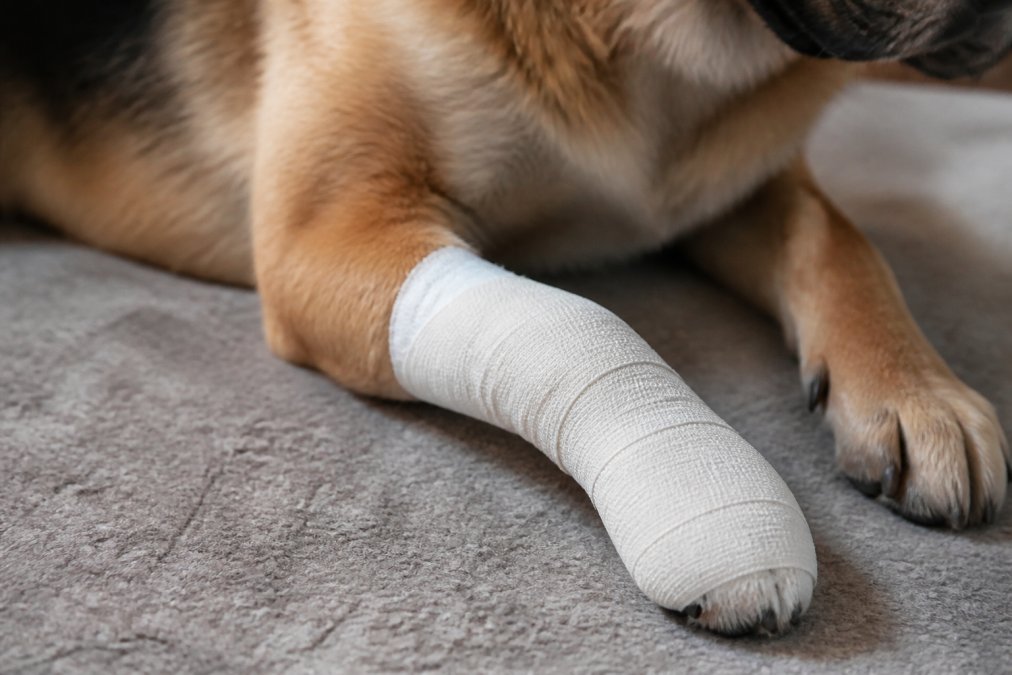
Secure the top of the bandage with medical tape. Wrap the bandage in a protective bootie to keep it clean and dry during outdoor activity. Change the bandage daily, or more frequently if it gets wet or dirty. Each time you change it, inspect the wound for signs of healing or infection. Minor cuts should show pink, healthy tissue within 3-5 days.
Signs of Infection in Dog Paws
Infection turns a manageable injury into a serious problem. Watch for increased redness around the wound that spreads beyond the original injury site. Swelling that worsens after the first 24 hours signals infection. Discharge, especially pus or foul-smelling fluid, is a clear sign bacteria have colonized the wound. Your dog may also show systemic signs: fever, lethargy, loss of appetite, or reluctance to bear weight on the injured paw.
Limping that persists beyond 10 days suggests infection or a complication you can't see. Some dogs develop interdigital dermatitis as a secondary infection, where the space between toes becomes inflamed, red, and itchy.
If you notice any of these signs, contact your veterinarian. Infections require professional treatment: antibiotics, sometimes surgical cleaning of the wound, and potentially systemic medication. Early intervention prevents the infection from spreading to deeper tissue layers or causing systemic illness.
Dog Paw Balm Benefits and Application
A quality paw balm creates a protective barrier against environmental hazards, supports natural healing processes, and reduces inflammation. For active dogs working in harsh conditions, balm is preventive medicine.
The best balms contain natural antimicrobial and anti-inflammatory ingredients. Calendula promotes tissue repair and reduces redness. Tea tree oil has antimicrobial properties without the harshness of synthetic antibiotics. Shea butter and beeswax provide moisture and create a protective seal. The pawsRprotected All-In-One Paw Protector Balm combines these elements in a formula designed for working dogs that spend time outdoors in challenging terrain.
Apply balm to clean, dry paws, working it into the pad tissue and between the toes where infections commonly start. For preventive use, apply twice weekly or before long outdoor activities. For injured paws, apply after cleaning and bandage changes, typically twice daily until healing is complete. Balm prevents cracked pads during dry seasons and protects against salt and chemical exposure in winter.
Dog First Aid Kit Contents Checklist
Being prepared separates a quick recovery from a serious problem. Your dog first aid kit should contain everything you need to handle paw injuries and other common field emergencies.
| Item | Purpose | Quantity |
|---|---|---|
| Sterile gauze pads (2x2 and 4x4) | Primary wound dressing | 20+ |
| Medical tape | Secure bandages | 2 rolls |
| Elastic wrap bandage | Pressure dressing | 2-3 rolls |
| Antiseptic solution or spray | Clean wounds, prevent infection | 1 bottle |
| Topical mupirocin or antibiotic ointment | Infection prevention | 1 tube |
| Paw balm (pawsRprotected) | Healing and protection | 1-2 containers |
| Hygienic wipes | Quick cleaning in field | 1 pack |
| Dog booties | Protect bandaged paws | 2 pairs |
| Tweezers | Remove splinters or debris | 1 pair |
| Scissors | Cut tape and gauze | 1 pair |
| Pain relief medication (veterinarian-approved) | Manage pain during healing | As prescribed |
| Thermometer | Monitor for fever/infection | 1 |
The dogsRtreed First-Aid Medical Field Molle Pack ($109.99) includes many of these essentials pre-assembled in a durable, organized system designed for hunters, hikers, and outdoor enthusiasts. The modular design lets you customize contents based on your specific activities and your dogs' needs.

Store everything in a waterproof container and check it twice yearly to replace expired items.
When to See a Veterinarian
Seek immediate veterinary care if your dog has a deep laceration with visible tissue, uncontrolled bleeding after 5 minutes of pressure, or signs of severe pain. Wounds that gape open or show edges that won't stay together need sutures. Puncture wounds that go deep into the pad tissue risk abscess formation and require professional assessment.
Contact your veterinarian within 24 hours if you see signs of infection: increasing redness, swelling, discharge, or fever. If a minor wound isn't improving after 7-10 days, professional evaluation is warranted. Persistent limping beyond 2 weeks, even if the wound looks healed, suggests underlying damage or complications.
Dr. Lori Gentry, Clinical Assistant Professor at Texas A&M College of Veterinary Medicine, offers this guidance: "Pet owners should access their pet's walking terrain routinely and take breaks to look at the paws. If there is any sign of discomfort, limping, slowing down, licking at paws, the pet should be taken home to rest and potentially to a veterinarian if there are sores, cuts or active bleeding."
Your veterinarian can assess whether the pad laceration is partial or full-thickness, evaluate for foreign bodies you might have missed, and prescribe systemic antibiotics if infection is present.
Preventing Future Paw Pad Injuries
Prevention is infinitely easier than treatment. Most paw injuries are entirely avoidable with proper preparation and terrain awareness.
Condition your dog's paws gradually before intense activity. Short, frequent walks on varied terrain toughen the pads naturally. Avoid sudden jumps in distance or intensity, build conditioning over weeks, not days.
Inspect your walking route before taking your dogs out. Look for sharp rocks, broken glass, thorns, or other hazards. During hot months, check asphalt temperature with your hand; if it's too hot for your palm, it's too hot for paws. Choose grass, dirt, or shaded routes during peak heat hours.
Use protective booties on rough terrain or in extreme weather. Booties prevent cuts, reduce heat exposure, and protect against salt and chemicals on winter roads.
Maintain regular paw care year-round. Trim nails every 4-6 weeks to prevent splitting and curling. Clean between toes daily, especially after outdoor activities, to prevent interdigital dermatitis. Apply paw balm preventively during dry seasons and before long hunts or hikes. These simple habits prevent 80% of common paw problems.
Monitor your dog's gait during and after activity. Limping, reluctance to walk, or excessive paw licking are early warning signs. Stop activity immediately, inspect the paws, and address any issues. Catching problems early prevents them from worsening.
=== FAQ ANSWERS (audit these too, same rules) ===
[1] Q: How can I treat my dog's paw wound at home? A: Start by stopping any bleeding with direct pressure using clean gauze for 5-10 minutes. Rinse the wound with cool water and an antiseptic solution to remove dirt and debris. Dry thoroughly with sterile gauze, then apply an all-natural paw balm like pawsRprotected to protect the pad and promote healing. Cover with a pressure bandage if needed. Minor cuts typically heal within 7-10 days with proper care. Monitor for signs of infection and contact your veterinarian if the wound worsens or shows no improvement.
[2] Q: What should I put in my dog first aid kit for paw injuries? A: Essential items include sterile gauze pads, antiseptic solution, antibiotic ointment, pressure bandages, self-adhesive wrap, tweezers for removing foreign bodies, and an all-natural paw balm. The dogsRtreed First-Aid Medical Field Pack ($109.99) includes comprehensive wound care supplies designed for field emergencies. Keep your kit organized and easily accessible during outdoor activities like hunting and camping.
[3] Q: When should I see a vet for a dog paw injury? A: Seek immediate veterinary care if your dog has deep lacerations, excessive bleeding that won't stop after 15 minutes, signs of infection (swelling, discharge, odor), limping that persists beyond 24 hours, or embedded foreign objects you cannot remove. Full-thickness pad lacerations requiring sutures may take 3 weeks or longer to heal completely. Dr. Lori Gentry from Texas A&M College of Veterinary Medicine advises: 'If there is any sign of discomfort, limping, slowing down, licking at paws, the pet should be taken home to rest and potentially to a veterinarian if there are sores, cuts or active bleeding.'
[4] Q: How do I know if my dog's paw is infected? A: Watch for redness, swelling, discharge, odor, excessive licking, or limping that worsens over time. Interdigital dermatitis (inflammation between toes) can develop from moisture and bacteria. If you notice any of these signs, clean the paw with antiseptic solution and apply an all-natural balm. Contact your veterinarian if symptoms persist beyond 2-3 days or if the paw becomes warm to the touch.
Frequently Asked Questions
Q: How can I treat my dog's paw wound at home?
A: Start by stopping any bleeding with direct pressure using clean gauze for 5-10 minutes. Rinse the wound with cool water and an antiseptic solution to remove dirt and debris. Dry thoroughly with sterile gauze, then apply an all-natural paw balm like pawsRprotected to protect the pad and promote healing. Cover with a pressure bandage if needed. Minor cuts typically heal within 7-10 days with proper care. Monitor for signs of infection and contact your veterinarian if the wound worsens or shows no improvement.
Q: What should I put in my dog first aid kit for paw injuries?
A: Essential items include sterile gauze pads, antiseptic solution, antibiotic ointment, pressure bandages, self-adhesive wrap, tweezers for removing foreign bodies, and an all-natural paw balm. The dogsRtreed First-Aid Medical Field Pack ($109.99) includes comprehensive wound care supplies designed for field emergencies. Keep your kit organized and easily accessible during outdoor activities like hunting and camping.
Q: When should I see a vet for a dog paw injury?
A: Seek immediate veterinary care if your dog has deep lacerations, excessive bleeding that won't stop after 15 minutes, signs of infection (swelling, discharge, odor), limping that persists beyond 24 hours, or embedded foreign objects you cannot remove. Full-thickness pad lacerations requiring sutures may take 3 weeks or longer to heal completely. Dr. Lori Gentry from Texas A&M College of Veterinary Medicine advises: 'If there is any sign of discomfort, limping, slowing down, licking at paws, the pet should be taken home to rest and potentially to a veterinarian if there are sores, cuts or active bleeding.'
Q: How do I know if my dog's paw is infected?
A: Watch for redness, swelling, discharge, odor, excessive licking, or limping that worsens over time. Interdigital dermatitis (inflammation between toes) can develop from moisture and bacteria. If you notice any of these signs, clean the paw with antiseptic solution and apply an all-natural balm. Contact your veterinarian if symptoms persist beyond 2-3 days or if the paw becomes warm to the touch.
Paw injuries are common, but they're not inevitable. With proper prevention, immediate care, and the right supplies, you can keep your dogs healthy and adventure-ready. The investment in a quality first aid kit, protective gear, and preventive balm pays for itself many times over by avoiding costly veterinary emergencies and keeping your dogs working at peak performance. Your dogs depend on their paws to explore the world alongside you, protect them like the valuable foundation they are.
This article was written using GrandRanker